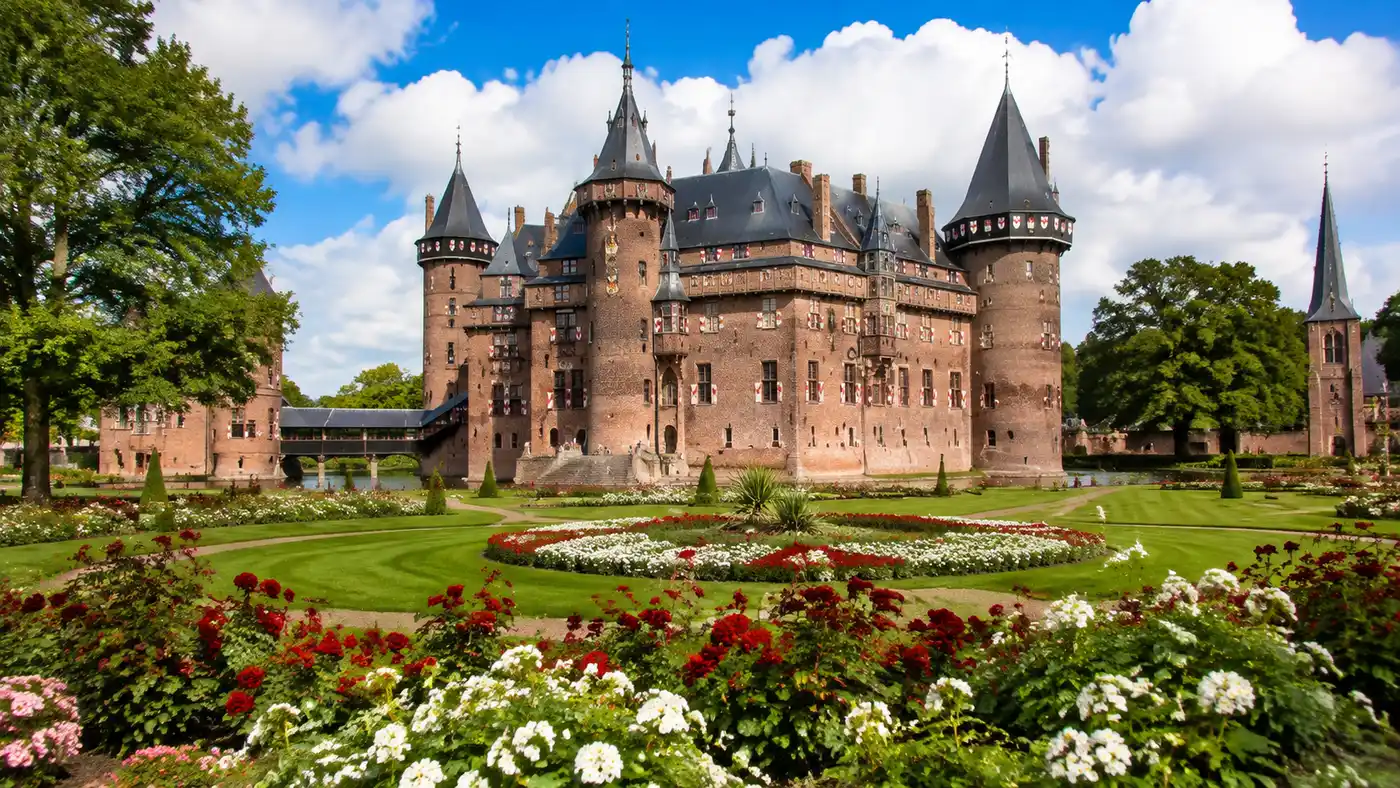
Castle De Haar History & Facts
When you first see Castle De Haar, it feels like stepping into a storybook. This magnificent structure, with its towers, moats, and intricate details, often makes people wonder about its origins. Exploring the castle de haar history reveals a fascinating tale of medieval roots, dramatic decay, and an astonishing rebirth. It is much older and younger than you might expect all at once. This article delves into the captivating timeline of this Dutch architectural gem. We'll uncover when it was built, who its influential owners were, and the incredible story behind its transformation into the fairytale castle we admire today. Get ready to peel back the layers of centuries and discover some truly unique de haar castle facts.Book your castle de haar experience:
The Ancient Roots of De Haar Castle
The very first mention of a "Huys de Haar" - a house or castle on this spot - dates back to 1391. This makes the original de haar castle age quite considerable, stretching well into the late medieval period. Back then, it was likely a much simpler fortified house, strategically located on a small island in the marshlands of Utrecht. The Van de Haar family held it for centuries, often in a complex feudal relationship with the powerful Bishop of Utrecht. Life here was probably tough, a constant cycle of local skirmishes and agricultural toil. The original structure, I imagine, would have been a far cry from the opulent interiors you see today. Think sturdy stone, thick walls, and perhaps a single great hall. Over the next few centuries, ownership shifted through various noble families. Marriages and inheritances played a big part in its lineage. The castle saw its share of medieval drama, I'm sure, standing sentinel over the changing Dutch landscape.A Long Period of Decline and Ruin
By the 17th and 18th centuries, the castle's fortunes began to wane. The once-proud stronghold gradually fell into disrepair. Warfare, economic shifts, and simply the changing nature of defensive architecture meant many old castles across Europe were abandoned or dismantled. De Haar was no exception. By the early 19th century, it was basically a ruin. Honestly, if you saw old drawings, you wouldn't recognize it. Just crumbling walls, overgrown courtyards, and maybe a few bats. The last male heir in the direct line, a Van Zuylen van Nijevelt, died without children in 1890, passing the estate to a distant cousin. This cousin, Baron Etienne van Zuylen van Nijevelt van de Haar, inherited little more than a pile of stones and a legend. It was a sad state for what had once been an important family seat. The land around it was still beautiful, but the castle itself was a shadow of its former self.Note: While the castle appears centuries old, much of what visitors see today is a meticulously crafted 19th-century reconstruction. The historical layers are there, but hidden beneath a grand revival.
The Grand Revival: The Rothschild Era and Pierre Cuypers
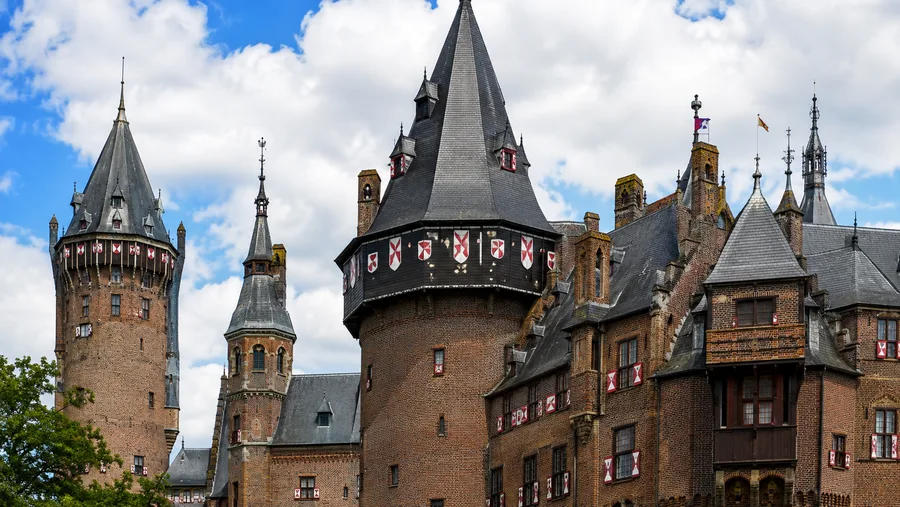
This is where the story really gets interesting and where the modern castle de haar history truly begins. Baron Etienne, despite inheriting a ruin, had one very important asset: his wife. He married Baroness Hélène de Rothschild in 1887, a member of the immensely wealthy and influential Rothschild banking dynasty. Her family's fortune was colossal, and she brought with her the means to realize an extraordinary vision. They decided to completely rebuild the castle, not just restore it. Their ambition was to create a modern, luxurious residence that looked authentically medieval, a perfect blend of old-world charm and cutting-edge technology. For this monumental task, they hired the most famous architect in the Netherlands at the time: Pierre Cuypers. Cuypers was known for designing the Rijksmuseum and Amsterdam's Central Station, so he was no stranger to grand projects. He practically rebuilt the entire structure between 1892 and 1912. It took about 20 years, a truly massive undertaking. The reconstruction was meticulously planned. Cuypers even moved an entire village, Haarzuilens, about a mile away to make room for the expansive castle park and gardens. The scale of the project was mind-boggling. They imported massive amounts of material, like 7,000 oak trees from the Black Forest for the interior. The attention to detail was obsessive, from the elaborate carvings to the stained-glass windows. This era really cemented many of the de haar castle facts we know today, transforming it from a ruin into a masterpiece.Pro tip: Look closely at the coat of arms above the main entrance. You’ll see the combined symbols of the Van Zuylen and Rothschild families, a subtle nod to the partnership that made this grand revival possible.
Book your castle de haar experience:
Modern Era and Cultural Impact
After its grand reconstruction, Castle De Haar became the annual residence for the Van Zuylen van Nijevelt family and their Rothschild descendants, who would spend a month every September entertaining international guests. Imagine the parties they must have thrown. The castle was equipped with all the modern conveniences of the early 20th century: central heating, electricity, and even a large kitchen with hot and cold running water. These were unheard of luxuries for a "medieval" castle at the time. Today, the castle and its extensive park are open to the public, managed by the Kasteel de Haar Foundation. It continues to be a vibrant center for culture and tourism. If you are planning a visit, you can find details on Castle De Haar history and practical information on our site. It's a popular spot for events, too. You can learn more about this on our page dedicated to Castle De Haar Events & Weddings. Many people share positive Castle De Haar reviews after their visit, often mentioning the stunning interiors and expansive gardens. Tripadvisor is full of glowing de haar castle reviews. The castle has also made its way onto the silver screen. Several movies filmed at Castle De Haar include "The Secret Invasion" (1964) and even a Jackie Chan film, "Who Am I?" (1998). It's easy to see why filmmakers are drawn to its dramatic architecture and picturesque surroundings. It truly is a unique backdrop, making it one of the best castles in the Netherlands. Here are some key aspects of its modern life:- Public Access: The castle is largely open for tours, allowing visitors to explore the opulent interiors and sprawling gardens.
- Event Venue: It hosts a variety of events, from medieval festivals to elaborate weddings, throughout the year.
- Conservation: Ongoing efforts are made to preserve the historical fabric and unique collections within the castle.
Unique Features and Quirks
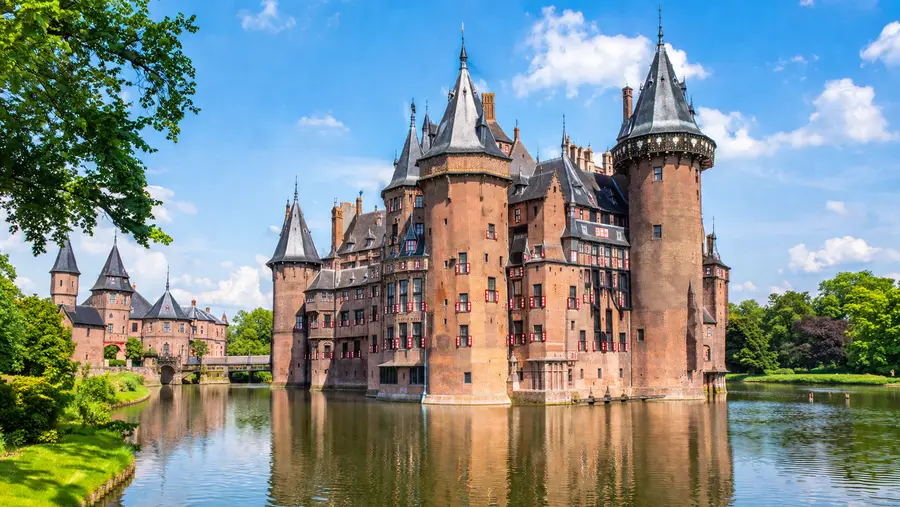
Walking through the castle, you quickly realize it's not just a pretty facade. The interior is a treasure trove of art and antiques, collected by the Van Zuylen and Rothschild families. You'll find rare porcelain, antique furniture, and a remarkable collection of tapestries. One room even features Japanese influences, a testament to the family's extensive travels and eclectic tastes. The dining hall, with its massive fireplace, feels straight out of a medieval feast, though the kitchen downstairs was state-of-the-art for its time. The gardens are just as impressive as the castle itself. Designed in the English landscape style, they feature formal rose gardens, winding pathways, and even a deer park. It's a huge area to explore. You might want to grab a de haar castle map at the entrance, as it's easy to get lost in the sheer beauty of the place. The weather can change quickly, so check the de haar castle weather forecast before you go, especially if you plan to spend hours outside.| Aspect | Original Construction (circa 1391) | Major Reconstruction (1892-1912) |
|---|---|---|
| Primary Function | Feudal stronghold, family residence | Luxury residence, social hub |
| Architect | Unknown local builders | Pierre Cuypers |
| Architectural Style | Medieval fortress | Neo-Gothic (designed to look medieval) |
| Key Features | Stone walls, defensive structures | Opulent interiors, modern conveniences, extensive gardens |
| Cost (Estimated) | Modest by today's standards | Millions of Dutch Guilders (Rothschild fortune) |
Frequently Asked Questions about castle de haar history
When was Castle De Haar built?
The first recorded mention of a castle on this site, "Huys de Haar," dates back to 1391. The current structure is largely a reconstruction from 1892-1912.
Who built Castle De Haar?
The original castle was built by the Van de Haar family. The current grand castle was rebuilt by Baron Etienne van Zuylen van Nijevelt and his wife Hélène de Rothschild, designed by architect Pierre Cuypers.
How old is Castle De Haar?
The site itself is over 630 years old. The majority of the visible castle structure today is about 110-130 years old, blending ancient foundations with late 19th-century craftsmanship.
Quick Reference
- First mentioned in 1391
- Rebuilt 1892-1912
- Architect: Pierre Cuypers
- Owned by Van Zuylen van Nijevelt and Rothschild families
- Located near Utrecht
Book your castle de haar experience:
My Take on Castle De Haar
Visiting Castle De Haar is an experience unlike many others in the Netherlands. It's not just an old ruin, nor is it a sterile museum. It's a living, breathing testament to ambition, wealth, and incredible architectural vision. You can feel the layers of its past, from the ancient foundations to the opulent, almost theatrical, reconstruction. Walking through its halls, I think about the people who lived there, the parties they threw, and the sheer audacity of rebuilding something so grand. It’s a place that sparks your imagination and makes you appreciate the power of a dream – and maybe a little Rothschild money. Go see it.Read more about castle de haar.